

2026 Insurance Outlook: Construction, Transportation & Energy
Posted by: Dean & Draper Insurance Agency | December 23, 2025
What Texas Businesses Need to Know About Rising Risks, Nuclear Verdicts, and Smarter Coverage Strategies
The Taylor Sheridan-helmed streaming series Landman, starring Billy Bob Thornton, captures the high-stakes world of Texas oilfields at the crossroads of energy, transportation, and construction.
These sectors drive billions of dollars in economic activity, and they share the common challenge of navigating an insurance market that is increasingly complex, data-driven, and sensitive to risk.
Across all three, 2026 is shaping up to be a year defined by nuclear verdicts, climate volatility, tight labor markets, and the rapid expansion of AI and safety technology in underwriting.
Premiums remain under pressure, carriers are scrutinizing risk controls more closely, and Texas businesses must prove, not just promise, that they operate safely and responsibly.
“Companies that stay proactive, document their risk controls, and lean into technology consistently secure better pricing and terms,” says Kyle Dean, President & CEO of Dean & Draper. “Texas businesses in construction, transportation, and energy face unique exposures, and preparation is everything.”
Below is an industry-by-industry look at what to expect in 2026 and the practical steps that can help you reduce risk, strengthen negotiations, and gain more favorable insurance outcomes.
Contractors & Construction: Managing Legal, Workforce, and Climate Pressure
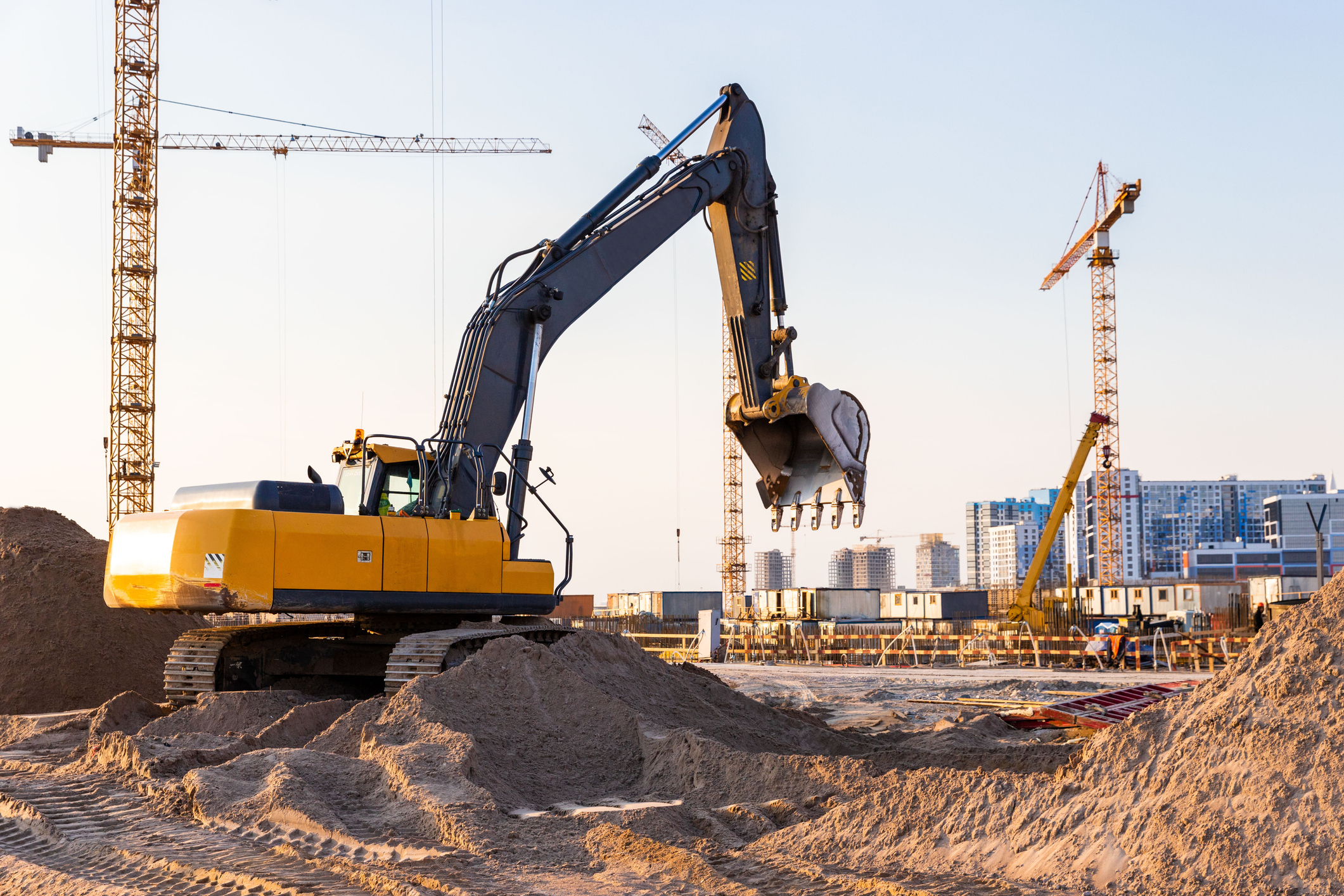
Construction in Texas remains one of the highest-risk industries to insure. Driven by escalating project values, increasingly severe weather, and a litigation environment that continues to push settlements and jury awards higher. General liability, workers’ compensation, umbrella, and builders’ risk programs are all feeling the impact.
2026 trends shaping contractor insurance
Nuclear verdicts and litigation costs continue to rise. Claims involving severe injury, subcontractor disputes, and construction defects are resulting in multimillion-dollar settlements, and carriers are responding with stricter, higher deductibles and more rigorous contractual scrutiny.
Climate and heat-related claims are growing. Extreme heat is driving more workers’ compensation claims related to heat illness, while flooding and severe storms are influencing builders' risk pricing and inland marine coverage.
More jobsite technology is becoming expected as insurers increasingly view drones, wearable sensors, real-time jobsite monitoring, and digital safety documentation as indicators of a well-managed contractor.
Supply chain disruptions are affecting project valuations. Ongoing material and labor inflation require more frequent updates to total insured values, especially on longer-duration projects.
Strategies contractors should take before renewal
- Strengthen subcontractor prequalification, tracking safety history, EMRs, and insurance compliance with documented COI management.
- Use jobsite technology to reduce and document risk; wearables, cameras, and digital logs can provide valuable evidence during underwriting and claims.
- Tighten contractual risk transfer by reviewing indemnity clauses, hold harmless language, and waiver of subrogation provisions, and applying them consistently.
- Update TIVs and equipment schedules at least annually to avoid underinsurance penalties and to keep builders’ risk valuations aligned with today’s higher replacement costs.
- Conduct annual safety training refreshers and retain documentation of training activities and hazard mitigation efforts for carrier review.
With construction spending still strong in Houston and across Texas, proactive risk management is the most reliable way to secure stable, predictable insurance terms in a volatile market.
Transportation: Rising Liability and the Demand for Data Transparency
For transportation companies, from regional fleets to last-mile delivery, commercial auto remains one of the most challenging segments in the insurance market. Increased roadway congestion, driver shortages, and aggressive litigation trends all contribute to more frequent and more severe losses.
2026 trends shaping transportation business insurance
Nuclear verdicts show no sign of slowing. Jury awards for trucking accidents are increasingly reaching into the tens of millions of dollars, even for modest-sized fleets, and carriers are responding with stricter driver qualification standards and closer scrutiny of safety culture.
Driver shortages are increasing exposure. Newer, less-experienced drivers elevate accident risk, and Texas continues to face an acute shortage of qualified CDL holders, particularly in high-demand corridors.
Telematics is becoming a standard expectation, with 88 percent of fleets now using the technology for safety. Underwriters want hard data on driver behavior, including speeding, hard braking, GPS history, and maintenance schedules, and fleets that lack telematics tools are likely to face a pricing and capacity disadvantage.
Cargo and catalytic converter theft remains a concern. Texas is still a hotspot for both types of loss, which directly affect inland marine and auto physical damage results.
Severe weather continues to disrupt routes and equipment. Flooding, hail, and extreme heat increase downtime, maintenance costs, and the frequency of claims.
Strategies to improve your insurance position
- Implement or expand telematics and use the data; strong, well-managed telematics programs can support premium credits and targeted loss control.
- Document driver hiring, training, and retention practices so you can demonstrate rigorous safety protocols during underwriting.
- Improve cargo security with clear policies for secured parking, GPS tracking, seals, and high-value load procedures to reduce theft losses.
- Maintain a digital audit trail of preventive maintenance, inspections, and repairs, which can materially influence both underwriting decisions and claims outcomes.
- Consider higher deductibles paired with stronger safety programs, as some carriers will offer better terms to fleets willing to assume more front-end risk.
Transportation businesses that embrace risk transparency and data-driven safety are the ones most likely to achieve stability in commercial auto, which remains one of the toughest insurance lines nationwide.
Energy Industry: Volatility, Weather, and Complex Liability
From upstream exploration to downstream refining, the energy industry faces uniquely complex risks in the Texas insurance market. Even as technology improves efficiency and visibility, exposures tied to environmental liability, worker safety, cybersecurity, and aging infrastructure are creating new pressures heading into 2026.
2026 trends shaping energy insurance
Market volatility continues to affect pricing and capacity, with industry analysts expecting these dynamics to persist into 2026. Shifts in commodity prices influence capital spending, risk appetite, and negotiations across property, liability, and specialty lines.
Environmental and regulatory scrutiny is rising. Carriers are placing greater emphasis on documented spill prevention, emissions controls, and inspection records, particularly for older facilities and assets.
Extreme weather is a growing infrastructure threat. Flooding, storm surge, wildfire, and extreme heat all pose risks to pipelines, terminals, grids, and field operations, driving more focus on resiliency.
Operational technology (OT) cyber exposure is expanding. Ransomware and other cyberattacks targeting SCADA and industrial control systems have become a top underwriting concern.
Predictive maintenance and sensors are influencing underwriting. Facilities that use modern monitoring systems and maintain digital maintenance records are often better positioned to secure favorable terms.
Strategies that strengthen risk management
- Develop or update an enterprise risk management (ERM) framework that clearly documents key exposures, controls, and governance.
- Harden environmental protections through improved spill containment, maintenance logs, and response plans that reduce large-loss potential.
- Modernize cyber protections for OT systems by segmenting networks, enhancing monitoring, and establishing incident response playbooks.
- Expand weather-resilience planning, including flood barriers, freeze-protection protocols, backup power systems, and business continuity plans.
- Update valuations regularly so replacement costs for plants, equipment, and pipelines accurately reflect today’s higher-cost environment.
Energy industry risk insurance management is crucial as businesses that can demonstrate operational discipline, strong documentation, and resilience will be better positioned to negotiate coverage in 2026.
Bring It All Together: Partnering with Dean & Draper
Construction, transportation, and energy may operate in very different environments, but their insurance challenges are increasingly interconnected.
Legal pressure is rising across the board as nuclear verdicts and aggressive litigation affect general liability, auto, and excess markets. Climate volatility is a real cost driver, with heat, flooding, and severe storms influencing losses and pricing for all three industries, especially in Texas.
At the same time, carriers expect more data than ever, and tools like telematics, jobsite sensors, and predictive maintenance systems are now central to how underwriters evaluate risk quality.
Documentation is becoming a true competitive advantage, as companies that can prove strong safety, compliance, and maintenance practices consistently secure better terms than those that rely on promises alone.
Dean & Draper is one of the Southwest’s most experienced brokers serving construction, transportation, and energy businesses, helping clients reduce risk, strengthen safety programs, and negotiate smarter coverage strategies that reflect changing market conditions.
If you want to improve your insurance outcomes in 2026, the Dean & Draper team can help you build a more resilient, cost-effective risk management program tailored specifically to your company. Contact Dean & Draper today to start a conversation about your 2026 renewals and long-term risk strategy.
The recommendation(s), advice, and contents of this material are provided for informational purposes only and do not purport to address every possible legal obligation, hazard, code violation, loss potential, or exception to good practice. Dean & Draper Insurance Agency specifically disclaims any warranty or representation that acceptance of any recommendations or advice contained herein will make any premises, property, or operation safe or in compliance with any law or regulation. Under no circumstances should this material or your acceptance of any recommendations or advice contained herein be construed as establishing the existence or availability of any insurance coverage with Dean & Draper Insurance Agency. By providing this information to you, Dean & Draper Insurance Agency does not assume (and specifically disclaims) any duty, undertaking, or responsibility to you. The decision to accept or implement any recommendation(s) or advice contained in this material must be made by you.
The recommendation(s), advice and contents of this material are provided for informational purposes only and do not purport to address every possible legal obligation, hazard, code violation, loss potential or exception to good practice. Dean & Draper Insurance Agency specifically disclaims any warranty or representation that acceptance of any recommendations or advice contained herein will make any premises, property or operation safe or in compliance with any law or regulation. Under no circumstances should this material or your acceptance of any recommendations or advice contained herein be construed as establishing the existence or availability of any insurance coverage with Dean & Draper Insurance Agency. By providing this information to you, Dean & Draper Insurance Agency does not assume (and specifically disclaims) any duty, undertaking or responsibility to you. The decision to accept or implement any recommendation(s) or advice contained in this material must be made by you.
Discover MoreRelated Stories For You
AIHow AI Improves Insurance Underwriting & Claims Processing
Read More
Certificate of InsuranceTexas Contract Requirements: Insurance Certificates (COIs)
Read More
Personal Liability CoverageWhen Personal Wealth and Business Risk Collide: The Case for Coordinated Umbrella Coverage in Texas
Read More