

Business Continuity: How Insurance Fits into Disaster Recovery
Posted by: Dean & Draper Insurance Agency | November 21, 2025
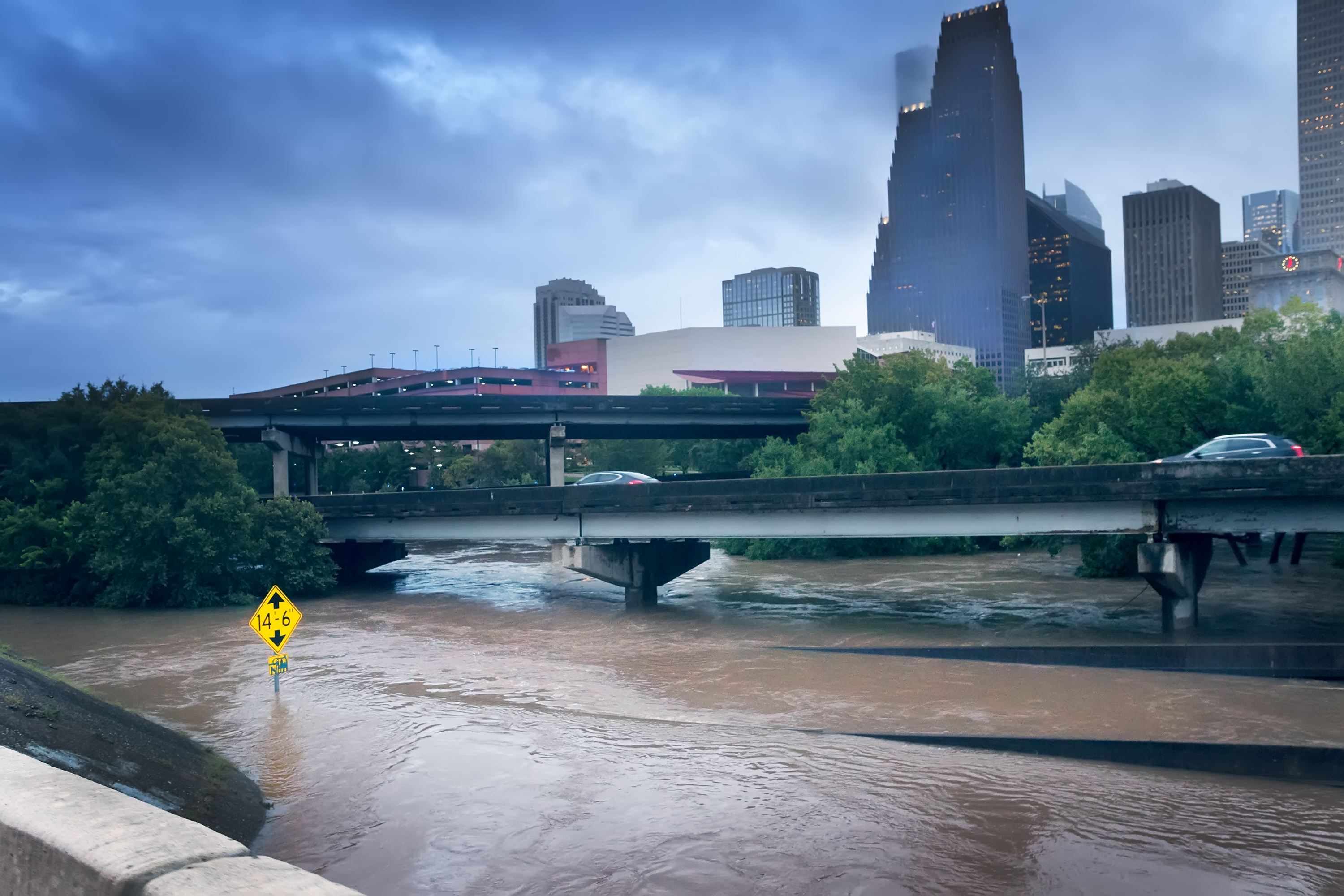
Texas ranks as one of the most disaster-prone states in the country. With 190 confirmed weather-related events from 1980 to 2024 that each exceeded $1 billion in losses. That number is more than any other state, and more than the next five largest states combined.
It’s more than just a matter of size.
Yes, Texas covers 268,000 square miles, but Alaska, California, Montana, New Mexico, Arizona, and Nevada together experienced roughly the same number of billion-dollar disasters in the same timeframe. Texas simply absorbs more impacts, more often, across more seasons.
Business continuity and disaster response aren’t theoretical planning exercises for Texas organizations. They are a fact of life.
The Lone Star State faces an unusually broad range of hazards, including hurricanes along the Gulf Coast, tornadoes across the central plains, extreme heat and grid strain, severe hailstorms, flash flooding, drought-driven wildfires, and winter storms capable of paralyzing the power supply.
As Fox 26 Houston has noted, Texas is uniquely exposed because almost every major category of U.S. weather risk occurs somewhere in the state.
For Texas businesses, the goal isn’t just to survive a storm… it’s to survive the downtime that follows. And that begins with the right insurance as the backbone of a practical, realistic disaster recovery strategy.
Why Downtime Is the Real Threat
Many leaders think of disaster recovery in terms of physical damage. But for most businesses, the most expensive part of a disaster is business interruption.
Whether it’s a hurricane that shuts down a supply chain, an ice storm that kills power for days, or a hail event that forces temporary closures, Texas companies lose far more from lost productivity than from debris.
Consider the numbers:
- Small businesses lose between $8,000 and $25,000 per hour of downtime. (Truleap Technologies)
- Mid-sized companies often lose $50,000 or more per hour. (Trilio)
- After Hurricane Harvey, 40% of affected small businesses never reopened or closed within two years (FEMA).
- The 2021 Winter Storm Uri caused $195 billion in economic losses, primarily from business interruption, not physical damage. (UH Hobby School of Public Affairs)
Even short outages hurt. The Houston Chronicle reported that Texas experienced the most power outages of any state in the country from 2019 to 2023, with 263 power outages, each lasting an average of 160 minutes and impacting 172,000 Texans.
In many industries, such as food service, manufacturing, logistics, and healthcare, an hour is all it takes to lose inventory, cancel orders, or halt operations.
That’s why business continuity planning must go beyond just blue tarps and repairs. It needs to focus on how quickly a business can restart operations, maintain cash flow, and prevent long-term disruptions.
And insurance is one of the few tools that can directly support that recovery.
Texas Weather Risks That Drive Continuity Planning
Business continuity planning looks different in Texas because the risk profile is so broad. Most states worry about one or two disaster categories. Texas has all of them.
Hurricanes & Tropical Storms
Texas is impacted by a hurricane or tropical storm almost every year, with 82 tropical or subtropical cyclones affecting the state since 1980, including 51 hurricanes. Hurricane Harvey alone caused $160 billion in damages, second only to Hurricane Katrina.
Hailstorms & Tornadoes
Texas leads the nation in hail events, with 500+ hailstorms per year, and averages 132 tornadoes, more than any other state. Hailstones reaching 4–6 inches can shut down operations, damage roofs, cripple HVAC systems, and trigger days or weeks of closure.
Extreme Heat & Power Grid Strain
The summers of 2023 and 2024 delivered record-breaking heat across every major metro. ERCOT issued multiple conservation alerts, warning of rotating outages as heat drove demand beyond forecasts. Extreme heat also accelerates equipment failures, including transformers, compressors, and IT infrastructure.
Flash Flooding
Texas has more flood-prone land than any other state, including regions like “Flash Flood Alley”, stretching from Dallas-Fort Worth down past San Antonio. And 50% of flood claims come from areas outside FEMA-designated flood zones. This issue was highlighted on July 4 of this year, with at least 138 deaths occurring when the Guadalupe River rose 26 feet in 45 minutes.
Wildfires
The 2024 Smokehouse Creek wildfire consumed 1.1 million acres, becoming the largest wildfire in Texas history and the second largest in U.S. history.
Winter Storms
Winter Storm Uri showed that Texas isn’t immune to deep freezes. More than 4.5 million Texans lost power, and tens of thousands of businesses were forced to close for days or weeks. The storm resulted in at least 57 deaths across 25 Texas counties and over $195 billion in property damage.
Bottom line: A Texas business must plan for all seasons, not just hurricane season.
Where Insurance Fits into a Strong Continuity Plan
A well-designed business continuity plan outlines operations, communications, data recovery, and personnel safety. But insurance is what allows businesses to recover financially while they execute that plan.
Here’s how key policies fit into disaster recovery for Texas businesses:
Business Interruption Insurance
Business Interruption (BI) coverage replaces lost income when operations are halted due to a covered event such as wind, fire, freeze damage, or structural damage from storms.
BI coverage can pay for:
- Lost revenue
- Employee wages
- Rent or mortgage payments
- Loan payments
- Taxes
- Relocation costs (through extra expense coverage)
Extra Expense Coverage
Extra expense coverage pays for the added costs of keeping a business running, such as:
- Leasing a temporary office or warehouse space
- Renting equipment or generators
- Expediting repairs
- Setting up temporary internet or communications
Contingent Business Interruption
Even if your building never loses power, your supply chain might.
Contingent Business Interruption covers losses when a key supplier, vendor, or customer is unable to operate due to an insured peril.
Equipment Breakdown Insurance
Equipment Breakdown covers failures caused by electrical surge, mechanical breakdown, or boiler failure. These issues are increasingly tied to Texas grid fluctuations and extreme heat.
This coverage often pays for:
- Electrical panel repairs
- AC/HVAC system failure
- Refrigeration and freezer breakdown
- Manufacturing machinery failure
- Damaged servers or IT infrastructure
Flood Insurance
Standard commercial property policies do not cover flood damage.
Given that nearly half of flood claims occur outside high-risk zones, many Texas businesses facing flood risk don’t realize the gap until water is already rising.
Building a Texas-Ready Continuity Plan
A strong plan should include:
- A risk assessment covering all Texas seasonal hazards
- Facility shutdown and restart procedures
- Backup power and communications plans
- Remote work or alternative operating procedures
- Supply chain and vendor contingency strategies
- Insurance review at least once per year
Insurance doesn’t replace the need for planning, but planning doesn’t work without insurance.
Protecting Your Business Before the Next Disaster Strikes
Texas weather is unpredictable, but recovery doesn’t have to be. With the right mix of insurance and continuity planning, Texas businesses can protect what matters most: their people, their operations, and their future.
Dean & Draper has helped Texas businesses navigate hurricanes, hailstorms, freezes, power outages, fires, and floods for decades. If you’re unsure whether your current insurance program truly supports your disaster recovery goals, now is the time to review your coverage.
Contact our team today to strengthen your business continuity plan and build a disaster recovery strategy that stands up to Texas-sized risks.
The recommendation(s), advice, and contents of this material are provided for informational purposes only and do not purport to address every possible legal obligation, hazard, code violation, loss potential, or exception to good practice. Dean & Draper Insurance Agency specifically disclaims any warranty or representation that acceptance of any recommendations or advice contained herein will make any premises, property, or operation safe or in compliance with any law or regulation. Under no circumstances should this material or your acceptance of any recommendations or advice contained herein be construed as establishing the existence or availability of any insurance coverage with Dean & Draper Insurance Agency. By providing this information to you, Dean & Draper Insurance Agency does not assume (and specifically disclaims) any duty, undertaking, or responsibility to you. The decision to accept or implement any recommendation(s) or advice contained in this material must be made by you.
The recommendation(s), advice and contents of this material are provided for informational purposes only and do not purport to address every possible legal obligation, hazard, code violation, loss potential or exception to good practice. Dean & Draper Insurance Agency specifically disclaims any warranty or representation that acceptance of any recommendations or advice contained herein will make any premises, property or operation safe or in compliance with any law or regulation. Under no circumstances should this material or your acceptance of any recommendations or advice contained herein be construed as establishing the existence or availability of any insurance coverage with Dean & Draper Insurance Agency. By providing this information to you, Dean & Draper Insurance Agency does not assume (and specifically disclaims) any duty, undertaking or responsibility to you. The decision to accept or implement any recommendation(s) or advice contained in this material must be made by you.
Discover MoreRelated Stories For You
AIHow AI Improves Insurance Underwriting & Claims Processing
Read More
Certificate of InsuranceTexas Contract Requirements: Insurance Certificates (COIs)
Read More
Personal Liability CoverageWhen Personal Wealth and Business Risk Collide: The Case for Coordinated Umbrella Coverage in Texas
Read More