

2026 Hurricane Season: Forecast Calls for Below-Normal Activity
Posted by: Communications Team | June 15, 2026
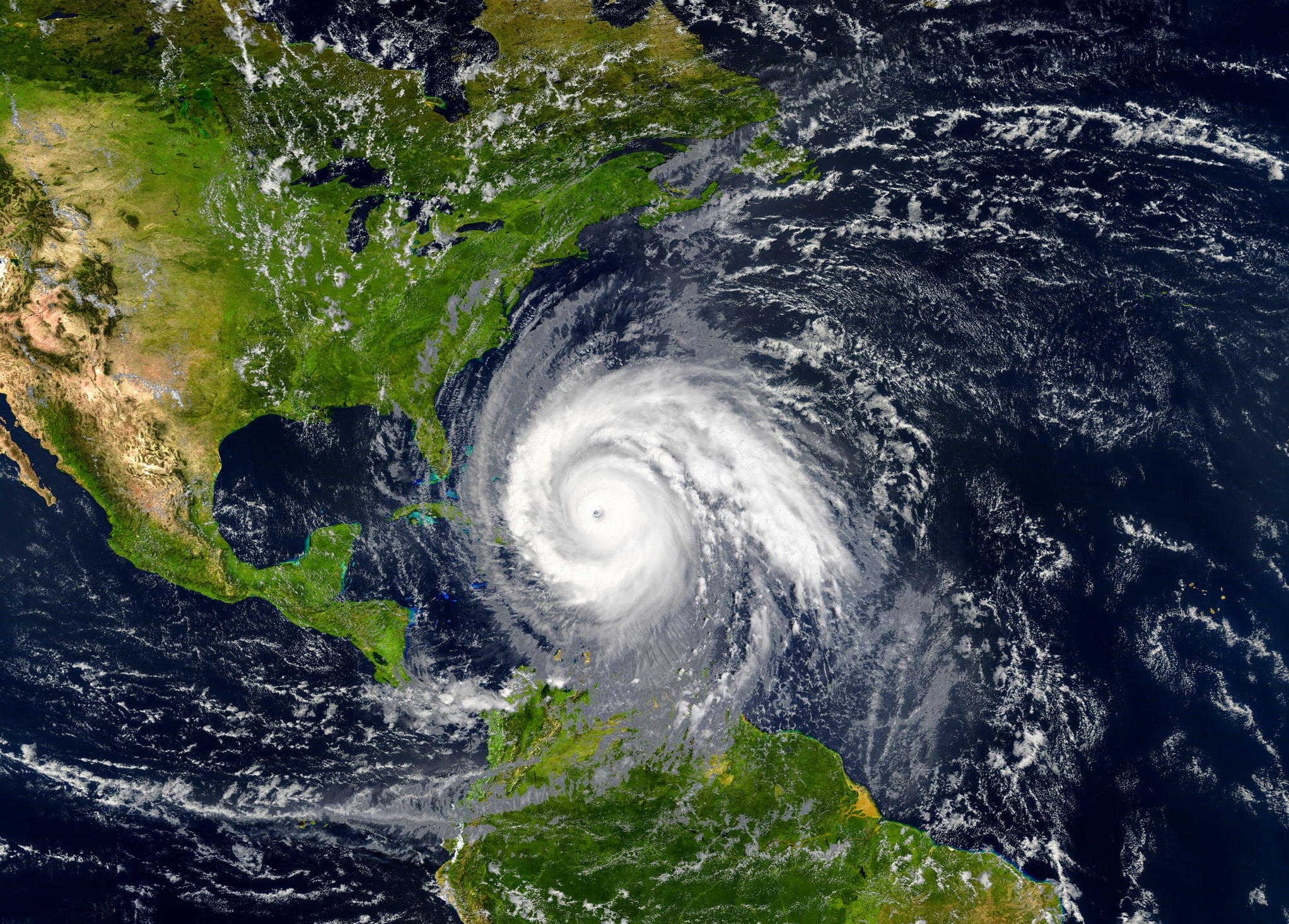
Forecasters for NOAA’s National Weather Service and Colorado State University’s hurricane research team are both calling for below-normal activity for the 2026 Atlantic hurricane season.
The El Niño weather pattern, which some are calling a rare Super El Niño and could be the strongest in recorded history, is expected to arrive this summer and historically El Niño years equate to less hurricane activity.
“Although El Niño’s impact in the Atlantic Basin can often suppress hurricane development, there is still uncertainty in how each season will unfold,” said NOAA’s National Weather Service Director Ken Graham. “That is why it’s essential to review your hurricane preparedness plan now. It only takes one storm to make for a very bad season.”
NOAA: Expect 8 to 14 Named Storms in 2026
The NOAA 2026 Atlantic hurricane season forecast says that there is a 55 percent chance of below-normal activity for the season that runs from June 1 to November 30. Chances of a near-normal season are 35 percent and there is a 10 percent chance of an above-normal season.
NOAA forecasts:
- 8 to 14 named storms (wind of 39 mph or higher).
- 3 to 6 of those storms become hurricanes (winds of 74 mph or higher).
- 1 to 3 of those storms become major hurricanes (category 3, 4 or 5 with winds of 111 mph or higher).
NOAA also released the 2026 Atlantic Tropical Cyclone names:
- Arthur
- Bertha
- Cristobal
- Dolly
- Edouard
- Fay
- Gonzalo
- Hanna
- Isaias
- Josephine
- Kyle
- Leah
- Marco
- Nana
- Omar
- Paulette
- Rene
- Sally
- Teddy
- Vicky
- Wilfred
NOAA also announced enhanced technology for the hurricane season including an improved version of the tropical cyclone forecast cone graphic that will now include tropical storm and hurricane watches and warnings for inland areas of the continental United States, Hawaii, Puerto Rico and the U.S. Virgin Islands.
The National Hurricane Center will also begin testing an experimental version of the tropical cyclone track forecast cone that will capture a greater range of possibilities for the track of the storm by incorporating uncertainties for both direction of movement and timing.
CSU: El Niño to be the Dominant Factor this Season
The Colorado State University Tropical Cyclones, Radar, Atmospheric Modeling, and Software Team expects El Niño to be the dominant factor for the upcoming hurricane season.
“We are forecasting a below-average probability for major hurricane landfalls along the continental United States coastline and in the Caribbean,” said the forecast. “As with all hurricane seasons, coastal residents are reminded that it only takes one hurricane making landfall to make it an active season. Thorough preparations should be made every season, regardless of predicted activity.
|
Forecast Parameters |
CSU Forecast for 2026 |
Average for 1991-2020 |
|
Named Storms |
13 |
14.4 |
|
Named Storms Days |
55 |
69.4 |
|
Hurricanes |
6 |
7.2 |
|
Hurricane Days |
20 |
27.0 |
|
Major Hurricanes |
2 |
3.2 |
|
Major Hurricane Days |
5 |
7.4 |
El Niño, according to CNN Weather, is a natural climate cycle that happens when the tropical Pacific Ocean warms enough to trigger shifts in wind patterns throughout the atmosphere, which has a ripple effect on weather conditions worldwide.
In Texas, a Super El Niño year, could lead to a fall and winter that is wetter and colder.
When the Storm Passes: What to Do in the First 72 Hours
A quieter hurricane season is welcome news, but as any Gulf Coast resident knows, it only takes one storm making landfall in the wrong place to upend that forecast. If the unthinkable happens and your home or business takes a hit, what you do in the hours immediately after the storm can be just as consequential as the coverage you bought months before.
Here is what Dean & Draper recommends.
Start Documenting Before You Start Cleaning
The instinct after a storm is to start clearing debris and assessing. Resist it, at least briefly.
Before you move anything, walk your property and photograph or video everything: structural damage, downed trees, standing water, damaged contents. Time-stamp everything if your device allows it. This documentation becomes the foundation of your insurance claim, and gaps in it can slow the process considerably.
Do not wait until you have a full picture of the damage to contact your insurance professional. Notify them as soon as it is safe to do so. Most policies have prompt reporting requirements, and early contact lets your broker begin coordinating next steps on your behalf.
Make Temporary Repairs, Keep Every Receipt
If your roof is exposed or a window is broken, you are generally expected to take reasonable steps to prevent further damage. That might mean tarps, plywood, or emergency board-up services. Your policy will typically reimburse those costs, but only if you document them. Save every receipt and photograph or video the temporary repairs before and after.
What you should not do is authorize permanent repairs before an adjuster has inspected the damage. That is a common mistake that can complicate or reduce your claim.
Know What You Are Actually Owed
This is where a good broker earns their keep. After a significant storm, understanding the interaction between your wind deductible, your flood policy, and your standard homeowners or commercial property coverage is not straightforward. Wind and flood damage are often assessed separately, and the line between them is not always obvious when a storm surge follows high winds.
If your home or business is uninhabitable, your additional living expense or business interruption coverage may kick in, but those benefits have limits and time constraints that vary by policy. Your broker can help you understand exactly what is available and how to document expenses to maximize your recovery.
Protect Yourself from Contractor Fraud
After major storms, the Gulf Coast historically sees a surge of unlicensed contractors and storm-chasing repair crews. Some operate in good faith but are simply overwhelmed and unqualified. Others are outright predatory. Before signing any repair contract, verify the contractor's license with the Texas Department of Licensing and Regulation, confirm they carry their own insurance, and never pay the full amount upfront. Be especially cautious of any contractor who asks you to sign over your insurance rights through an Assignment of Benefits agreement.
If FEMA Assistance Is Declared
In a federally declared disaster, you may be eligible for FEMA assistance even if you carry insurance. FEMA can cover certain expenses your policy does not, including some displacement costs, home repair gaps, and other disaster-related needs. Apply at disasterassistance.gov or by calling 1-800-621-3362 (7 a.m. to 10 p.m. local time, 7 days a week). Apply early, even before your insurance claim is fully resolved.
The Right Insurance Partner Makes All the Difference
A storm does not have to become a financial crisis. With the right coverage in place and an experienced broker guiding you through the claims process, recovery is manageable. Dean & Draper works with homeowners and businesses year-round to make sure the right policies are in place before hurricane season and to provide hands-on support when a claim becomes necessary.
The best time to talk through your coverage is before a storm is in the forecast. Contact Dean & Draper today to make sure you are prepared for whatever the season brings.
The recommendation(s), advice and contents of this material are provided for informational purposes only and do not purport to address every possible legal obligation, hazard, code violation, loss potential or exception to good practice. Dean & Draper Insurance Agency specifically disclaims any warranty or representation that acceptance of any recommendations or advice contained herein will make any premises, property or operation safe or in compliance with any law or regulation. Under no circumstances should this material or your acceptance of any recommendations or advice contained herein be construed as establishing the existence or availability of any insurance coverage with Dean & Draper Insurance Agency. By providing this information to you, Dean & Draper Insurance Agency does not assume (and specifically disclaims) any duty, undertaking or responsibility to you. The decision to accept or implement any recommendation(s) or advice contained in this material must be made by you.
Discover MoreRelated Stories For You
Certificate of InsuranceTexas Contract Requirements: Insurance Certificates (COIs)
Read More
Personal Liability CoverageWhen Personal Wealth and Business Risk Collide: The Case for Coordinated Umbrella Coverage in Texas
Read More
Hurricanes2026 Hurricane Season: Forecast Calls for Below-Normal Activity
Read More